Stop lying to yourself. Start using Strokes Gained.
At Birdie Lab, we don't just give you raw data; we give you the "Truth"—even if that truth is that your chipper belongs in a lake.
Understanding Strokes Gained usually feels like trying to do your taxes while standing in a wind tunnel. But once it clicks, it’s the ultimate "BS detector" for your golf game. Used by Tour pros (who are better than you) and smart amateurs (who are tired of losing $20 to their buddies), Strokes Gained stops the guesswork and tells you exactly why your handicap is stuck in neutral.
What is Strokes Gained, really?
Traditional stats are a trap. If you had 30 putts today, was that good? If they were all from 2 feet, you’re a disaster. If they were all from 40 feet, you’re a god.
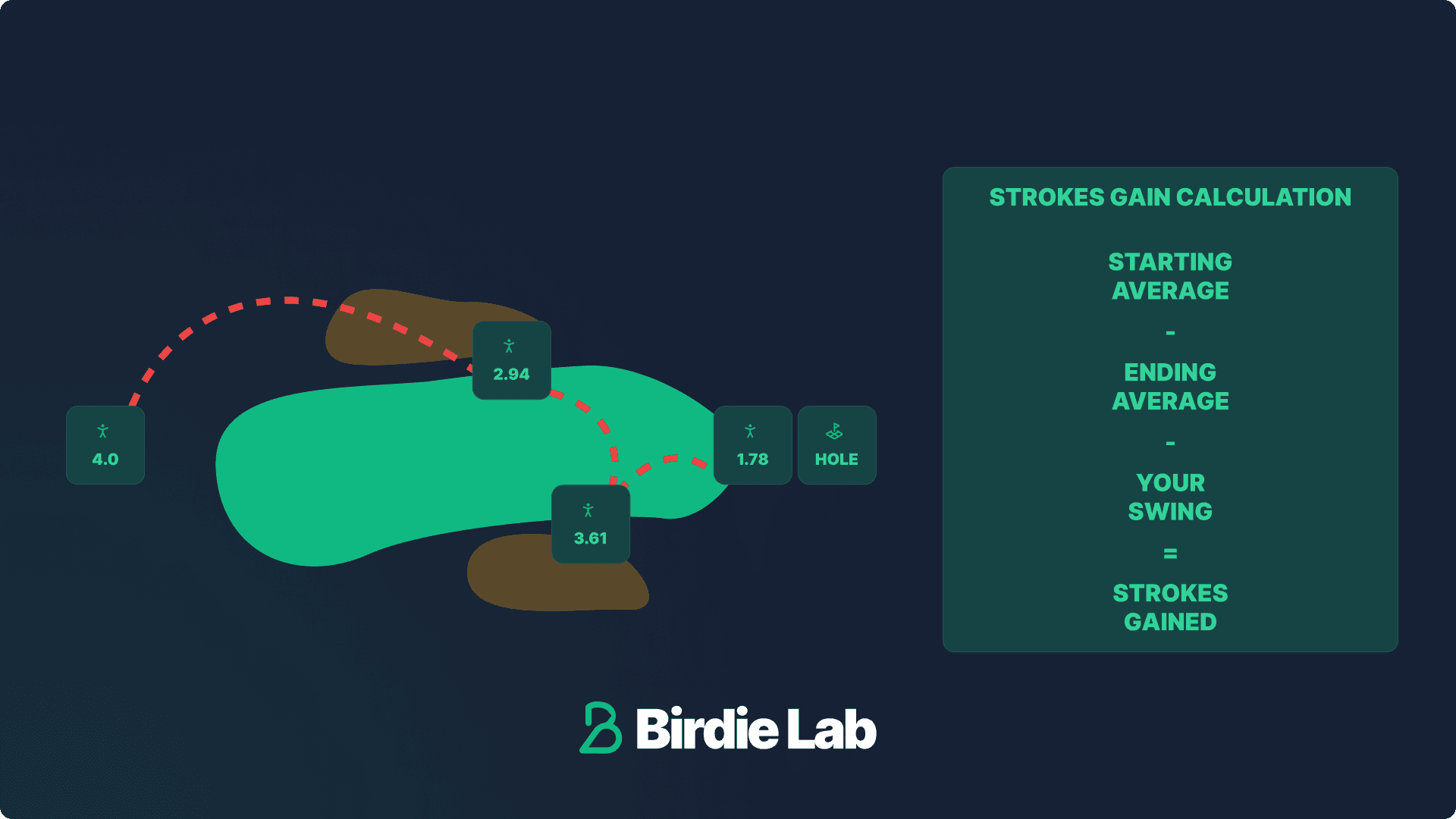
Strokes Gained measures how your shots perform against a benchmark—like a scratch golfer or your target handicap. It asks one simple question: “Did that shot actually make it easier to finish the hole, or did you just make life harder for yourself?”
The Five "Stop the Bleeding" Categories
Off the Tee: Your driver. Are you a bomber or a professional woods-finder?
Approach: Your irons. This is usually where dreams go to die.
Around the Green: Your "save my dignity" shots (chips and bunkers).
Putting: The difference between a birdie and a broken putter.
Tee to Green: Everything except the flat stick.
The Math (For people who three-putt)
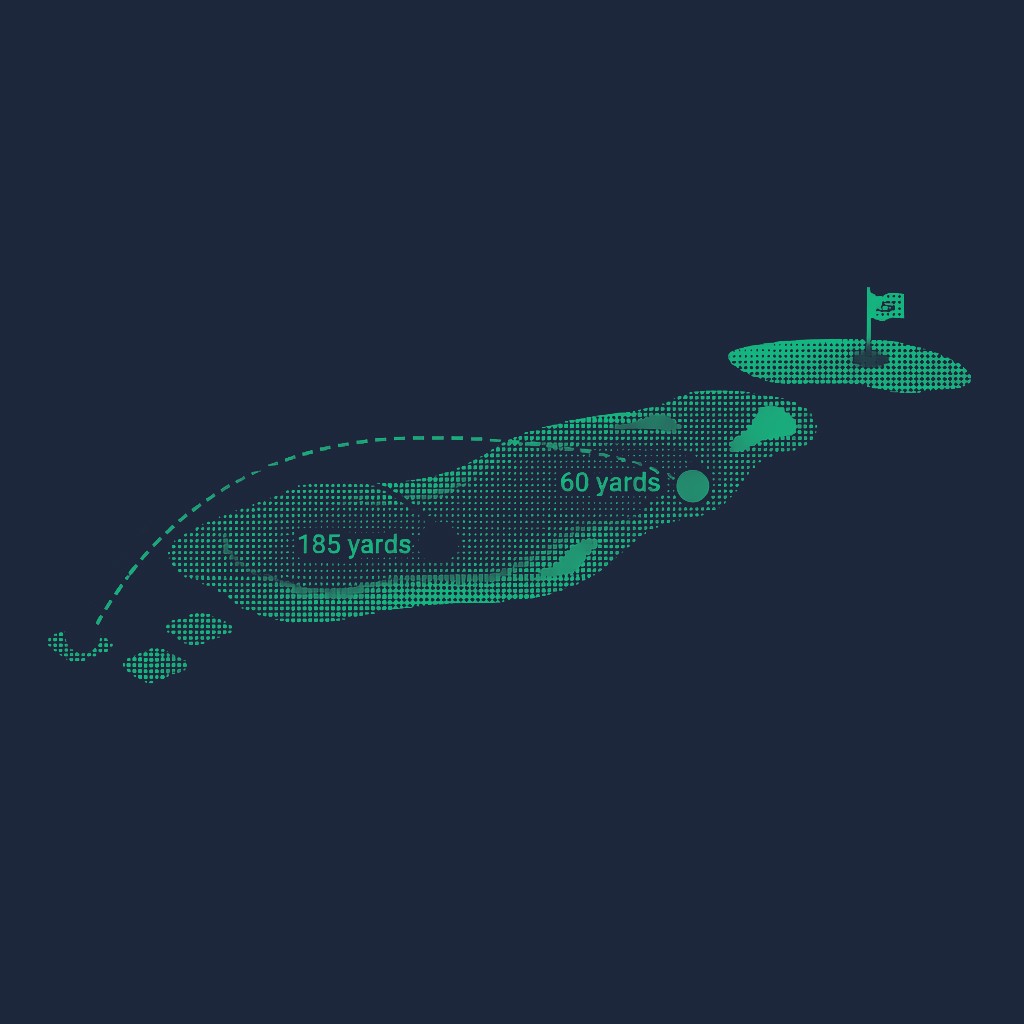
Every spot on the course has an "expected value." If a scratch golfer usually takes 2.8 shots to finish from 150 yards, and you stick it to 12 feet (where the average is 1.8), you just gained a full stroke of brilliance.
Birdie Lab’s The Lab module does this heavy lifting for you, using radar-style scoring to show which skills are elite and which are embarrassing.
How to track it without losing your mind
1. Pick your victim (The Benchmark)
Don't compare yourself to Scottie Scheffler unless you want to cry. Compare yourself to a 10 or 15 handicap—the golfer you actually want to be.
2. Record the "Damage"
To get the real story, you need:
How far you were.
The lie (Fairway? Rough? Neighbor's yard?).
Where it ended up.
3. Use Birdie Lab (The Easy Way)
Forget spreadsheets. Birdie Lab is built for the "scorecard-first" golfer.
Upload a CSV: Snag your data from a launch monitor or existing scorecard and dump it in.
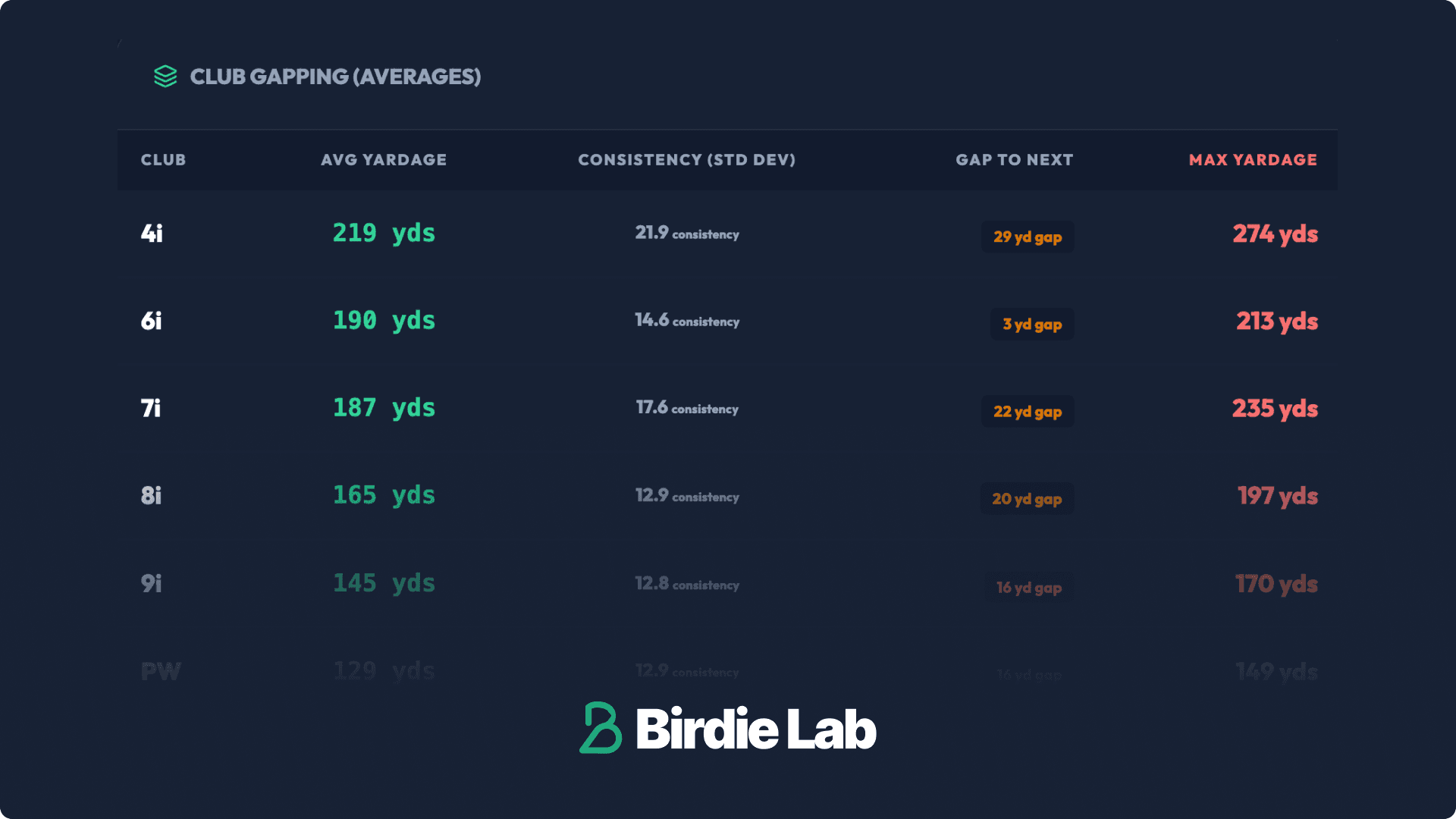
The Bag Analytics: We track your "Ego Check"—comparing your "Internet distance" to your actual carry distances so you stop coming up short.
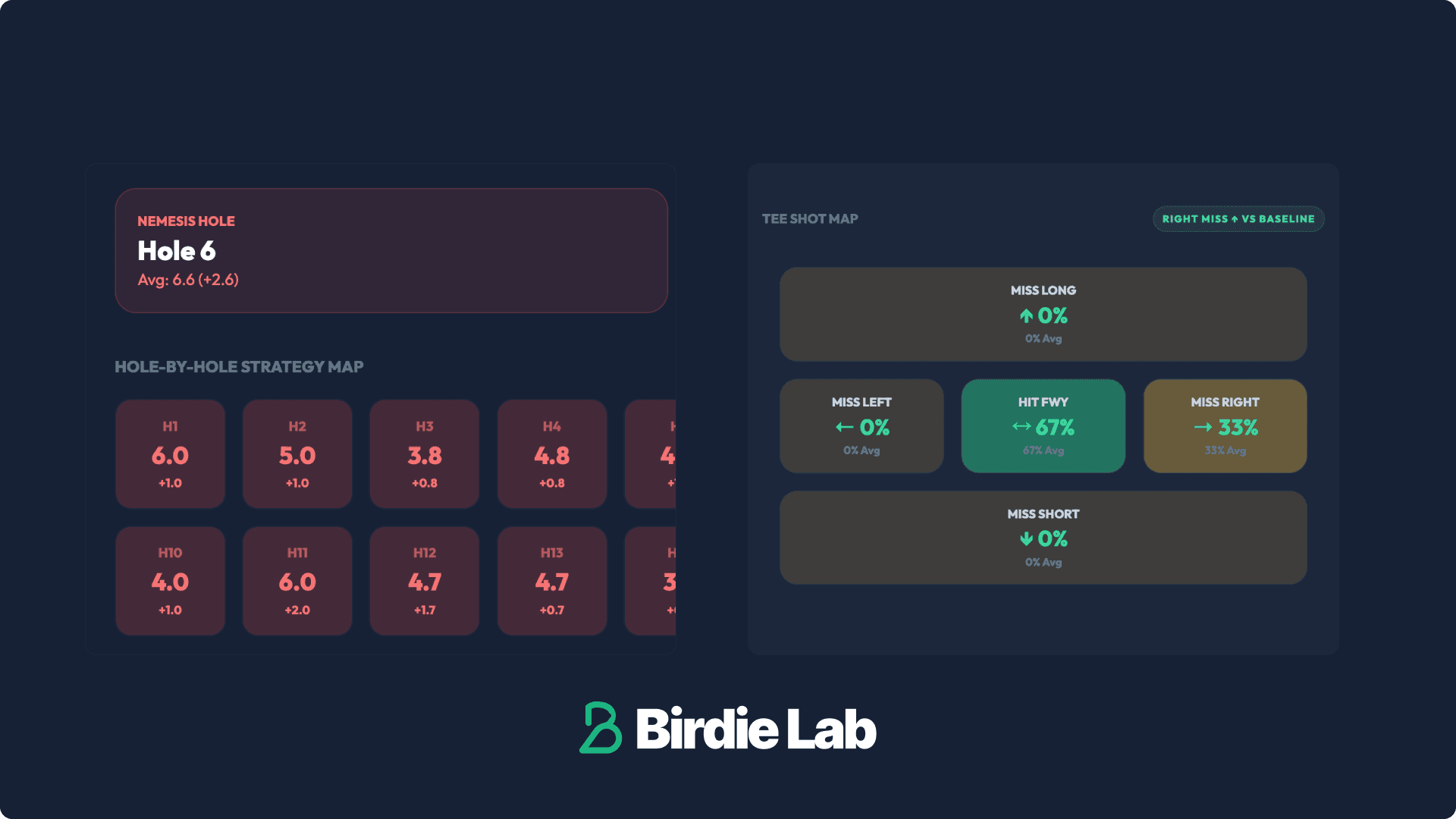
The Lab: We pinpoint your "Nemesis Hole" and driving miss patterns (Left? Right? Long? Let’s be honest, it’s usually into the woods).
Why traditional stats are lying to you
Fairways Hit: Who cares if you hit the fairway if you only skulled it 125 yards?
Total Putts: 28 putts is easy when you miss every green and chip to three feet.
Strokes Gained fixes this. It identifies the true cause of your blow-up holes so you can practice with intent instead of just beating balls into a net.
Fix your game with Birdie Lab
You don't need a new $600 driver. You need to stop aiming at the lake.
Prioritize the Weakness: Our analysis shows you if you’re actually bad at putting or if your iron play is just leaving you 60-footers all day.
Course Strategy: Use our Course Registry to see which venues are eating your lunch and build a plan that doesn't involve "hero shots".
Can beginners track strokes gained?
Absolutely. In fact, it’s better to start early so you don’t spend three years practicing the wrong thing. Once you’re playing regularly and logging basic hole-by-hole data, Birdie Lab can turn that "beginner luck" into a repeatable strategy.
Do I need expensive sensors to track my game?
Nope. While fancy sensors are great, Birdie Lab’s Scorecard-first workflow lets you upload CSVs or manually log rounds and shots without wiring up your clubs. We’re tech-agnostic—we just want your data.
Is strokes gained better than my handicap?
They’re teammates, not rivals. Your handicap tells you what you shot; Strokes Gained tells you why. Birdie Lab even offers a handicap overlay on your scoring trend charts so you can see the "why" and the "what" in one view.
How many rounds do I need for accurate data?
You’ll start seeing patterns after one round, but the real "A-ha!" moments happen after about 5 to 10 rounds. That’s when our The Lab module can accurately tell if that slice is a trend or just a really bad Saturday.
What is the most important category to watch?
For most amateurs, Approach play (Strokes Gained: Approach) has the biggest impact on the scorecard. Use our The Bag analytics to check your club gapping and make sure you aren’t leaving yourself impossible chips because you don't know your true iron distances.
Can Birdie Lab help with my course strategy?
That’s our bread and butter. By using our Course and Hole Analysis, you can identify your "Nemesis Holes" and see where aggressive plays are actually costing you strokes. Sometimes the best strategy is just "don't hit it there".